
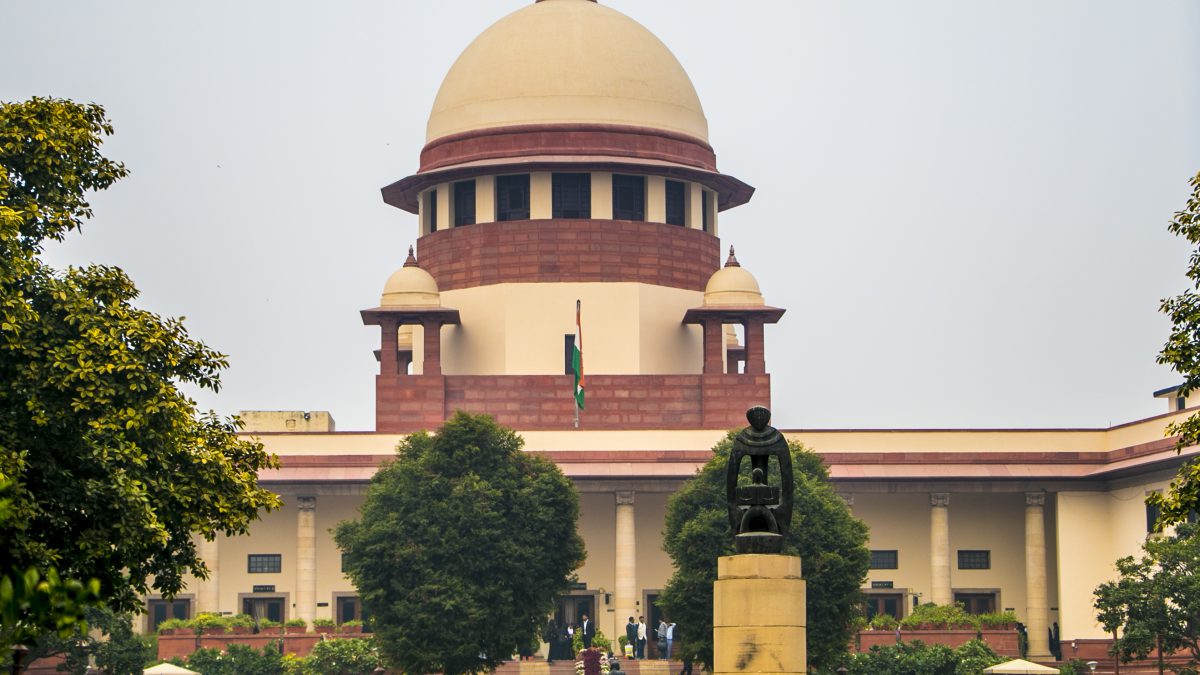
New Delhi, October 28, 2026: A group of 21 Indian news publishers has asked the Supreme Court to strike down contentious provisions of the Digital Personal Data Protection (DPDP) Act, arguing that the law could make investigative journalism more difficult and expose confidential sources to scrutiny.
Publishers raise concern over consent requirements
At a hearing on October 27, the Digital News Publishers Association (DNPA), representing publishers including major media groups, argued that requiring journalists to obtain consent from people they report on could operate as a form of prior restraint. The publishers say the provisions could also force news organisations to erase stories or disclose information that could help identify sources.
Government has defended the framework
The dispute centres on how personal-data protections should apply to journalism and public-interest reporting. Publishers say the final law lacks an explicit written exemption for journalists, while the government has said press freedom will be protected. Those positions remain contested and are now before the court.
What happens next?
Reuters reported that the Supreme Court scheduled the case for next month. The challenged provisions are due to take effect in May 2027, according to the report. The court has not yet ruled on the merits of the publishers’ challenge.
Why the case matters
The outcome could influence how news organisations handle personal information during investigations, including the balance between privacy rights, public-interest reporting and protection of sources. Until the court decides the case, the publishers’ arguments should be understood as claims made in litigation, not as a judicial finding.
Source: Reuters, October 27, 2026.
Image credit: Subhashish Panigrahi, Wikimedia Commons, CC BY-SA 4.0.