

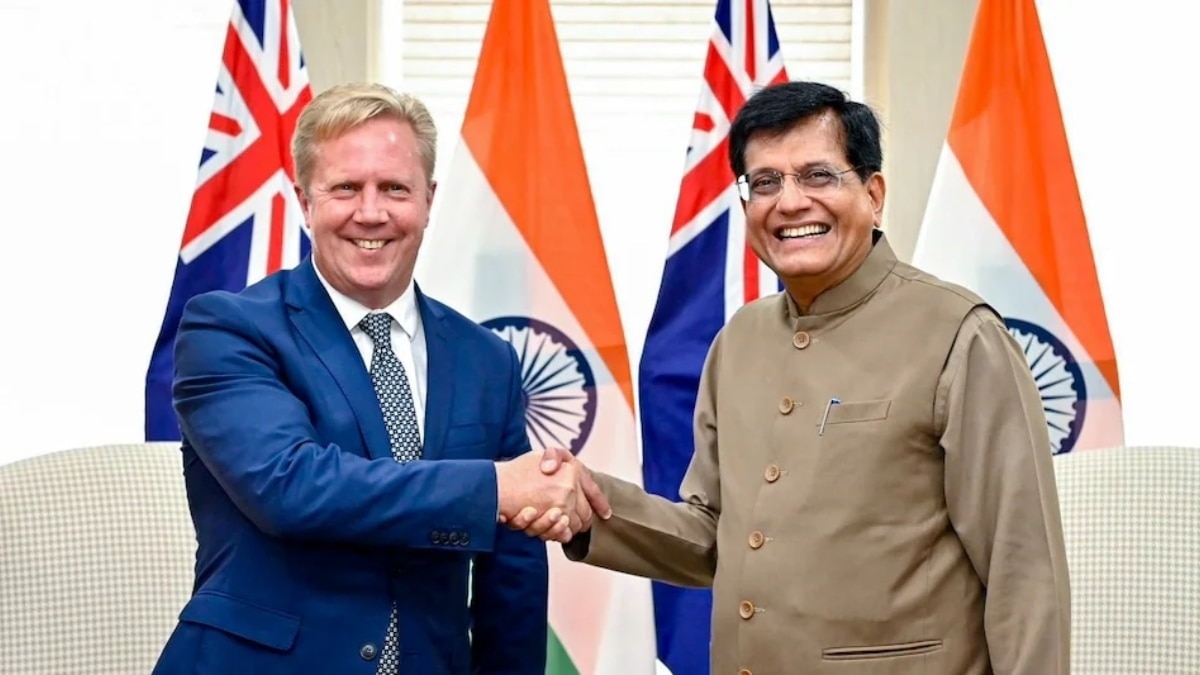
New Delhi, October 22, 2026: The India–New Zealand Free Trade Agreement (FTA) has entered into force, opening a new phase in economic relations between the two countries. The agreement provides duty-free access in New Zealand for 100 per cent of Indian exports from the start of implementation, creating an opportunity for Indian businesses to expand their presence in an advanced overseas market.
Which Indian sectors could benefit?
The agreement is expected to be relevant to textiles and apparel, leather and footwear, engineering goods, pharmaceuticals, processed food, agriculture-related products and other export-oriented sectors. Micro, small and medium enterprises (MSMEs), artisans, women-led businesses and first-time exporters may also find new opportunities if they can meet product standards, delivery requirements and customer expectations in New Zealand.
Duty-free access can make Indian products more competitive by reducing tariff costs at the destination. However, the real benefit will vary by product and business. Exporters still need to confirm the applicable tariff classification, rules of origin, documentation requirements, packaging standards and any regulatory approvals required for their goods.
Trade and investment ambitions
India and New Zealand have set an ambition to increase bilateral trade in goods and services to NZ$7 billion, approximately ₹35,000 crore, by 2030. New Zealand has also committed to facilitating investment into India over the coming years. These ambitions could support cooperation in manufacturing, agriculture, technology, education and services, although actual investment and trade growth will depend on commercial decisions and implementation.
What businesses should do next
Indian exporters should review the agreement’s product-specific provisions, identify potential buyers, prepare compliant documentation and assess logistics costs before quoting prices. Businesses unfamiliar with exporting may benefit from working with export-promotion bodies, customs specialists and established distributors. Companies should not assume that every product receives identical treatment simply because the agreement is in force.
The FTA is an important market-access milestone, but sustained gains will require reliable quality, competitive pricing, timely delivery and strong relationships with customers. For Indian MSMEs, the next challenge is to convert the improved trade framework into actual orders, employment and long-term business growth.
Updated: October 22, 2026.