

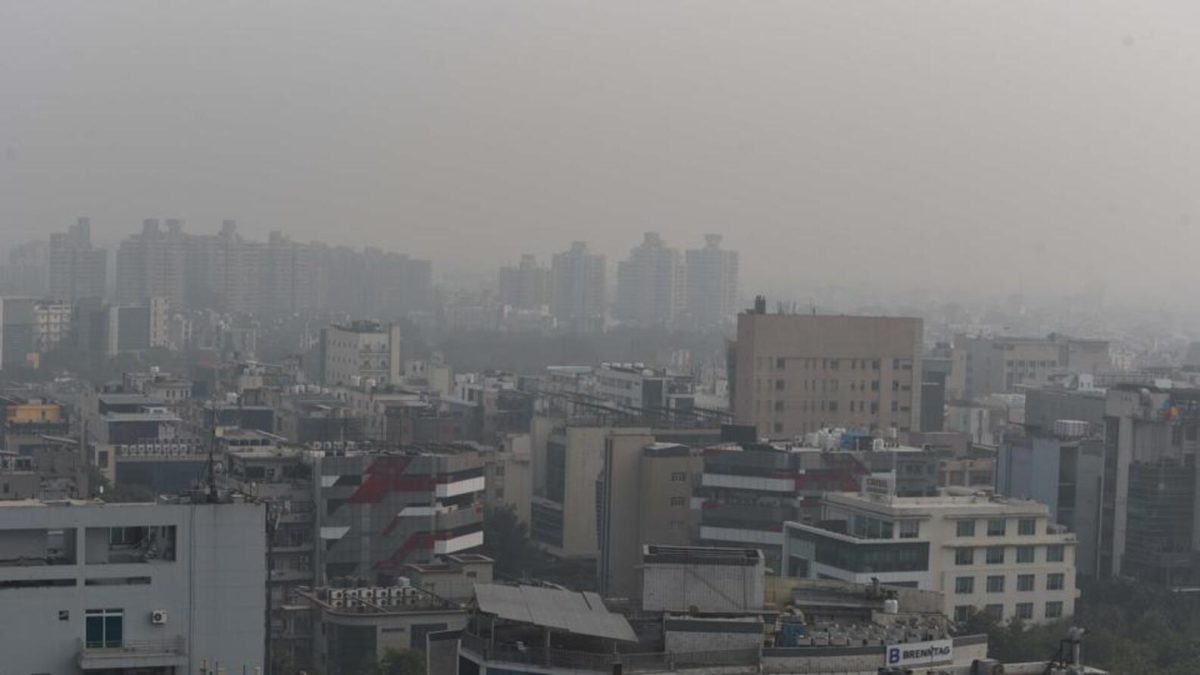
New Delhi, October 22, 2026: Air quality in the National Capital Region has worsened as the winter pollution season approaches. The Commission for Air Quality Management (CAQM) invoked Stage I of the Graded Response Action Plan (GRAP) across Delhi-NCR after Delhi’s Air Quality Index (AQI) entered the poor category on October 21.
What triggered the restrictions?
Delhi’s AQI was reported at 244 at 2 pm on October 21, up from 179 a day earlier. The “poor” category indicates that air pollution can cause discomfort to people with respiratory or heart conditions and may affect others with prolonged exposure. Conditions can differ considerably between monitoring stations, neighbourhoods and times of day, so residents should check local readings rather than rely on one number alone.
What does GRAP Stage 1 involve?
The first stage focuses on strengthening routine pollution-control measures. These can include more intensive mechanised road sweeping, water sprinkling to reduce dust, action against open waste burning, enforcement at construction and demolition sites, and inspections of polluting activities. Relevant agencies across the NCR are expected to coordinate implementation and compliance.
Stage I is the opening level of a graded plan, not a blanket shutdown of the city. Schools and offices should not be assumed to be closed unless a separate order says so. Further restrictions can be introduced if air quality deteriorates and the applicable criteria are met.
Why does pollution rise in October?
The transition away from the monsoon can bring lower wind speeds and less rain, reducing the atmosphere’s ability to disperse pollutants. Local emissions from vehicles, road dust, construction, industries and waste burning can then accumulate. Seasonal agricultural burning in the wider region may add to pollution episodes, although the contribution of each source varies with weather and location.
What residents can do
Residents should follow current AQI readings and official advisories, avoid burning leaves or waste, and report visible violations through appropriate civic channels. People who are particularly sensitive to pollution may need to limit strenuous outdoor activity during poor conditions. Anyone experiencing significant breathing difficulty should seek appropriate medical care.
Long-term improvement will depend on consistent enforcement and reductions in emissions throughout the NCR, not only short-term measures during winter. Cleaner transport, better construction-site management, dust control and coordinated regional planning remain important parts of the response.
Updated: October 22, 2026. The image is representative, not a live AQI reading.