
Questions are being raised about whether India’s official air-quality reporting fully reflects pollution severity on Delhi’s worst days, following an analysis cited by Hindustan Times that compared hourly readings from Delhi monitoring stations with the Central Pollution Control Board’s (CPCB) published AQI calculation definition.
The report says applying the index’s stated method to a year of hourly readings would have classified Delhi as “severe” on more days than the official daily bulletins reported. The discrepancy highlights the importance of transparent methodology and public understanding of how citywide air-quality numbers are calculated.
Why the calculation matters
The AQI is a public-facing summary of pollution measurements. Different pollutants and monitoring locations can vary sharply, so a citywide headline figure may not capture conditions in every neighbourhood. Residents should consider local station readings and health advisories, not just the overall daily number.
What is being questioned?
The scrutiny centres on consistency between CPCB’s published AQI definition and the method used in daily reporting, rather than whether pollution measurements themselves are being collected. The underlying analysis and its interpretation should be examined alongside official technical documentation and station-level data.
Delhi’s air quality remained in the “poor” category on Monday morning, with an AQI of 249 reported in the Hindustan Times’ morning coverage. Conditions can change during the day and across locations.
What residents can do
- Check area-specific readings through official CPCB/SAMEER channels.
- Limit strenuous outdoor activity when air quality is poor or worse.
- Follow health advice, especially for children, older adults and people with respiratory or heart conditions.
Sources: Hindustan Times (Nov. 23); The Indian Express (Nov. 23).
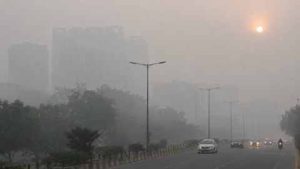
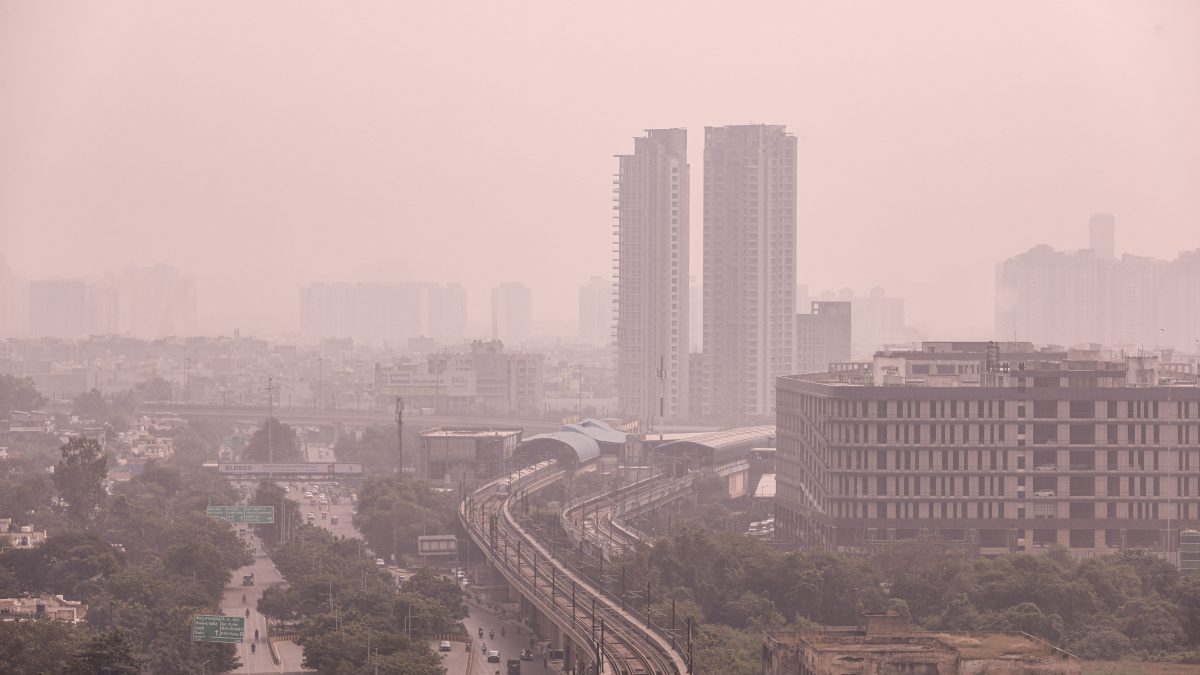
Image note: Featured photo is a representative archival image of smog, not a current-day photograph.