

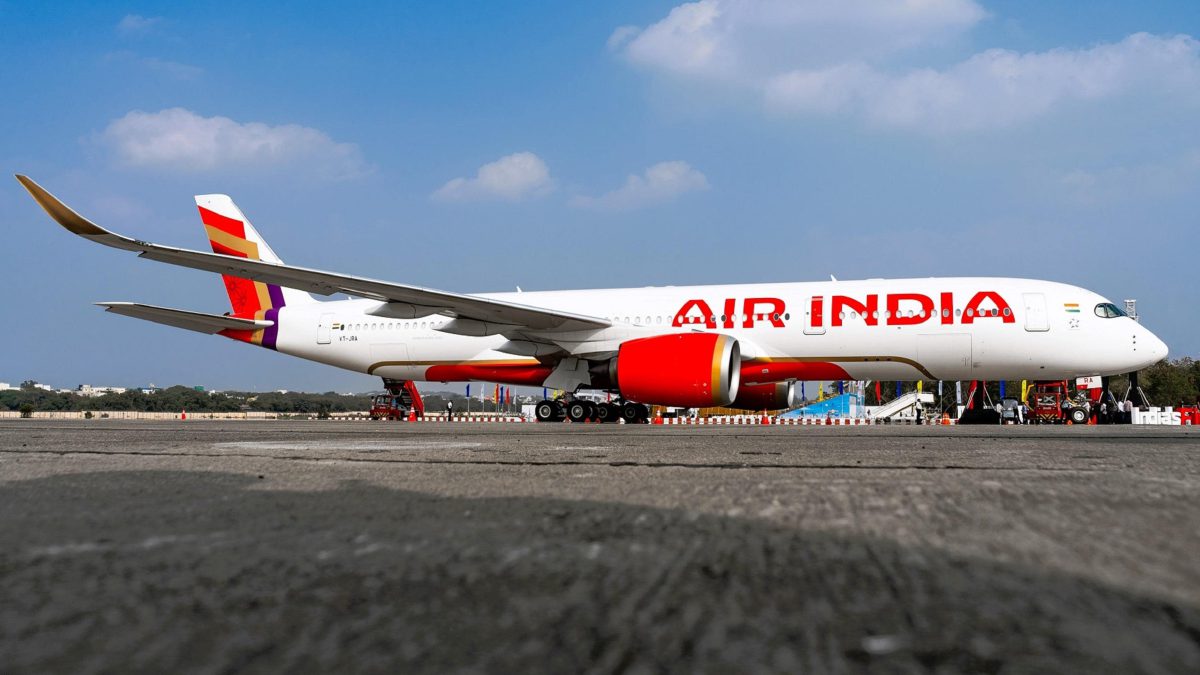
Prime Today News Desk: An Air India flight operating from Phuket to Delhi reportedly recorded several technical fault messages involving the aircraft’s hydraulic systems. The report also referred to an elevator computer and a high-pressure indication associated with the nose landing-gear door or engine anti-ice valve system.
The available information describes messages recorded in a report; it does not, by itself, establish the final cause of the incident. Aviation occurrences are normally assessed through maintenance records, cockpit data, crew reports and inspections before investigators or the airline reach a technical conclusion.
Why hydraulic alerts receive close attention
Aircraft hydraulics power or assist several important functions, which can include flight-control surfaces, landing gear, brakes and steering. Modern commercial aircraft are designed with redundancy, so one fault does not automatically mean that the crew has lost control of the aircraft. Multiple alerts, however, require careful troubleshooting because they may reflect a shared component, pressure issue, sensor problem or a sequence of related system messages.
An elevator computer is linked to pitch-control functions, while nose-gear door and engine anti-ice indications involve different aircraft systems. Engineers must determine whether the alerts represented separate faults, a common electrical or sensor issue, or secondary warnings produced by another malfunction.
Investigation should separate alerts from causes
The crew’s actions, the aircraft’s landing and any subsequent maintenance response are important to understanding the seriousness of the event. Airlines can remove an aircraft from service for checks even when built-in backup systems operated as intended.
Passengers should avoid drawing conclusions from a list of cockpit or maintenance messages alone. A verified account will depend on statements from Air India and relevant aviation authorities, as well as the final engineering findings. The episode nevertheless highlights why fault reporting, timely maintenance and transparent follow-up are central to aviation safety.
Information still needed
A complete account should identify the aircraft type, the phase of flight in which the messages appeared, whether the crew declared an emergency and what maintenance action followed. It should also clarify whether any component was replaced or whether the alerts were cleared after testing.
Those details matter because the same warning message can have different significance depending on system redundancy and flight conditions. An airline or regulator statement would provide a more reliable basis for judging the event.
Source: Business Standard. This is an independently written report based on the cited reporting.
